
Review · WHALE WATCHING
Puerto Vallarta: Humpback Whale Research Adventure Tour
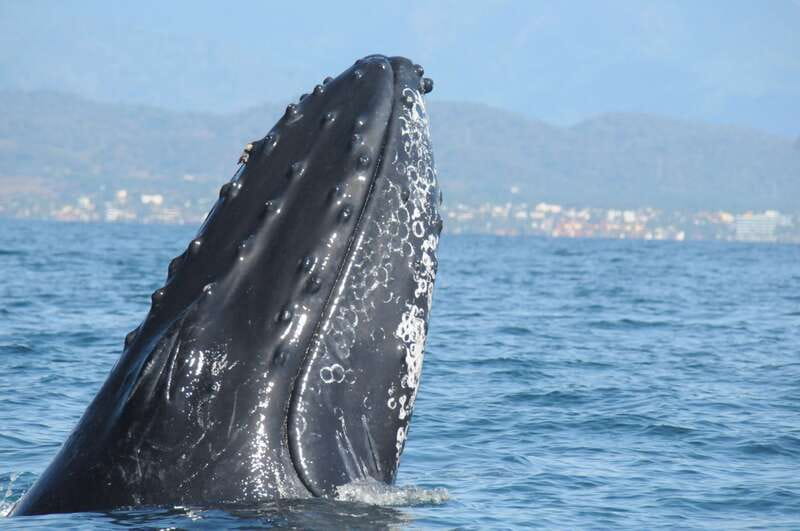
The best part of this Puerto Vallarta trip is that you do more than point a camera at a whale. You first learn how humpbacks live, then help record their behavior while a biologist or trained guide explains what you are seeing. The hydrophone, which lets you hear whale sounds beneath the boat, adds a wonderful extra layer.
I like the serious care given to the animals and the useful pre-trip lesson. I also like that your $134 fare includes a donation to humpback research, rather than treating wildlife as a simple photo backdrop. The main drawback is that this is an ocean outing, not a guaranteed whale show. Seasickness, rough water, and nature’s schedule can affect the day.
In This Review
- Key points to know before booking
- Why this Puerto Vallarta whale tour feels different
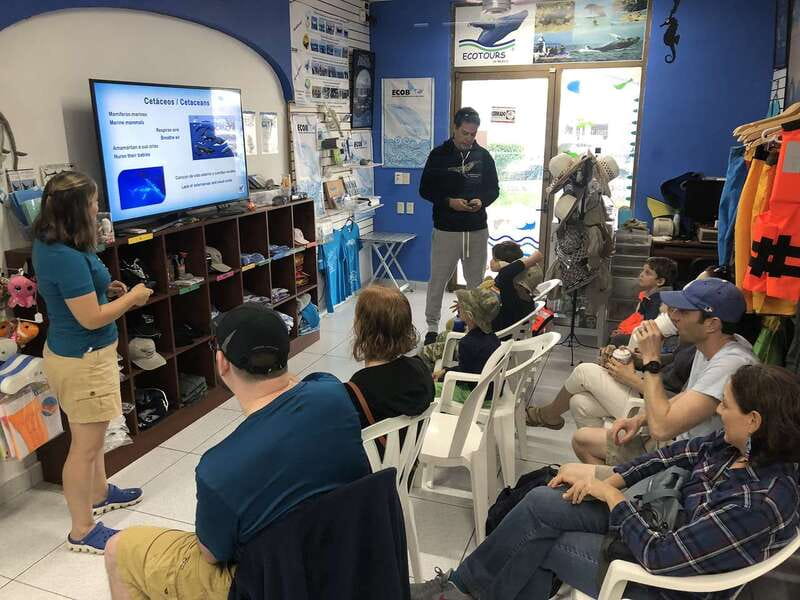
- Starting at the Ecotours Vallarta office
- Three hours exploring Banderas Bay
- What the guides add to the experience
- The hydrophone: the quiet highlight
- Taking part in the research project
- What the $134 price includes
- The best season and the role of luck
- Comfort, safety, and who should skip it
- A practical packing list
- Who will enjoy this most
- Booking flexibility and meeting details
- Should you book the Humpback Whale Research Adventure?
- FAQ
- How long does the Puerto Vallarta whale tour last?
- Where does the tour meet?
- Is hotel pickup included?
- Is the boarding fee included in the price?
- What languages are available?
- What is included with the tour?
Key points to know before booking
- A research-minded whale trip: Your observations help support the office’s humpback research work.
- A real lesson before the boat ride: The opening presentation and video explain whale behavior before you begin looking for it.
- Three hours on Banderas Bay: Most of the 3.5-hour outing is spent on the water, not at the office.
- Whale sounds through a hydrophone: You may hear humpbacks and other marine mammals below the surface.
- Small authorized boat: The outing uses a small boat and includes an expedition leader, drinks, water, and a light snack.
- Wildlife beyond whales: Dolphins, manta rays, and turtles have also appeared during this trip.
Why this Puerto Vallarta whale tour feels different
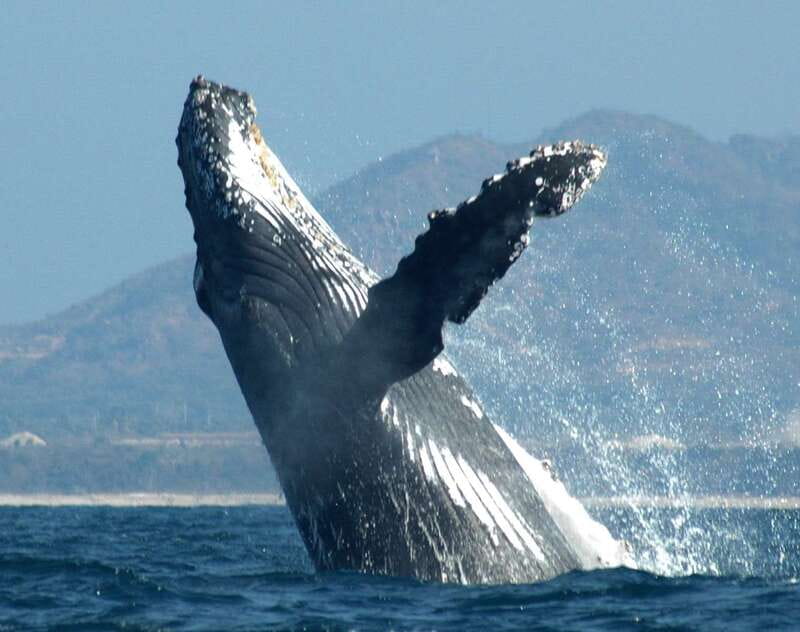
Many whale outings are built around a quick sighting and a few photographs. This one takes a more patient route. The opening educational session gives you a basic guide to humpback life, migration, mating behavior, size, and social habits before the boat leaves. That matters because a distant back or flicking tail means more when you understand what the animal may be doing.
The research element also changes the mood. You are not promised a close-up performance. Instead, you watch animals in Banderas Bay and help collect information about their behavior. This makes the experience feel more like a field trip than a standard sightseeing cruise.
I especially like the use of the boat’s hydrophone. Whale watching is usually a visual activity, but sound can reveal that marine life is nearby even when you cannot see it clearly. Hearing whale songs or other marine mammal sounds gives you another reason to pay attention between breaches.
The excursion has a five out of five rating from 13 published bookings, with especially strong praise for the educational talk, careful treatment of wildlife, and time spent observing whales. That is a small sample, so I would not treat the rating as a promise. Still, the pattern is clear: this trip suits people who want explanation and purpose along with their wildlife viewing.
More whale watching from Puerto Vallarta:
- Whale and Dolphin Watching with a Biologist in Puerto Vallarta
★ 5.0 · 666 reviews - Sunsets and Whales Mega Yachts ALL INCLUSIVE: Puerto Vallarta
★ 5.0 · 509 reviews - Whale Encounter Puerto Vallarta
★ 5.0 · 469 reviews
Starting at the Ecotours Vallarta office
You meet at the Ecotours Vallarta office at the end of Proa Street. Look for the office beside the ramp, with a terrace. There is no hotel pickup or drop-off, so plan your own way to the meeting point and allow enough time to find it.
The outing begins on land with coffee or tea and an educational session. A video and short talk prepare you for the boat portion. Guides such as Michael, Maggie, Cynthia, and others have been praised for making this introduction easy to follow and useful without turning it into a dry classroom lecture.
This first section is valuable for families with older children and for anyone new to whale watching. One parent traveling with daughters aged 11 and 13 particularly appreciated the lesson before boarding. The presentation can also help you set sensible expectations: whales are wild animals, and the goal is to observe them responsibly rather than chase a guaranteed breach.
You should also use this time to ask questions. The guide continues explaining behavior once you are on the water, so the land session is only the beginning of the interpretation.
Three hours exploring Banderas Bay
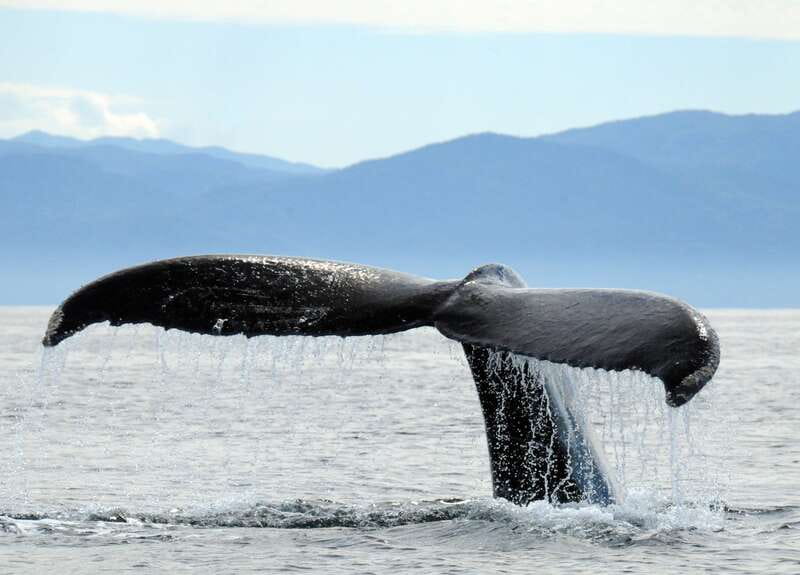
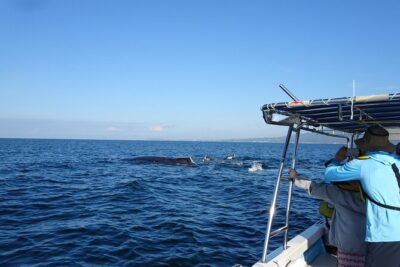
After the briefing, you board a small authorized boat and head into Banderas Bay for about three hours. The full activity lasts 3.5 hours, which leaves roughly half an hour for meeting, preparation, boarding, and return.
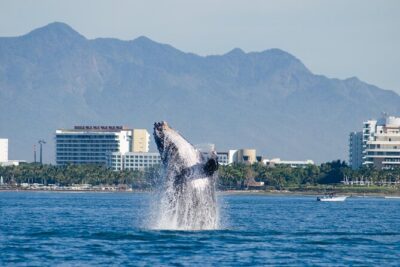
The bay is the main stage for the trip. Your guide and captain search for humpbacks, then explain what is happening as the boat follows the animals at a responsible distance. You might watch a mother and calf traveling together, see several whales gathered in a group, or catch a breach if timing and luck cooperate.
The boat time is long enough to feel like a proper expedition rather than a quick loop offshore. A March outing followed a mother and calf, then found a group of seven whales before one breached. Another excursion recorded sightings of around 15 whales. These examples show the range of possible days, but they should not be read as a guarantee for your departure.
You may also encounter dolphins, manta rays, and turtles. They are welcome additions, not the central promise, but their presence gives you more to watch during quieter periods.
What the guides add to the experience
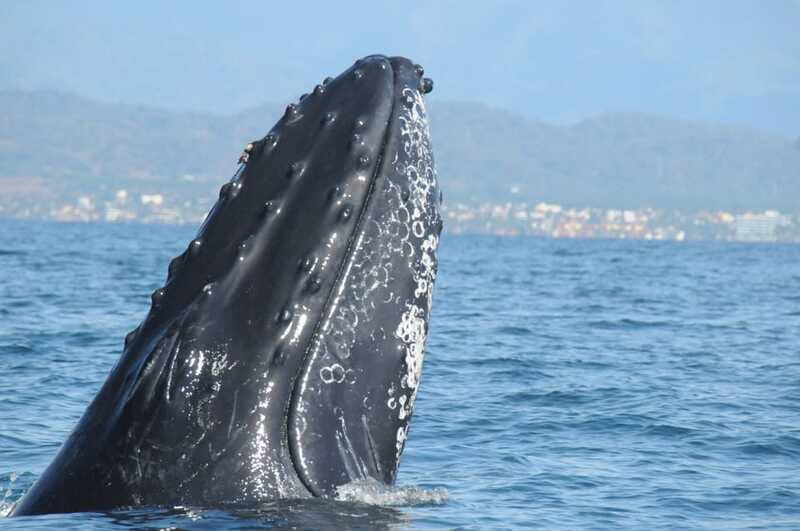
A good captain finds animals. A good naturalist helps you understand them. This tour aims to provide both.
Michael has been praised for making whale behavior more interesting, while Maggie has been described as especially strong at explaining size, migration, mating rituals, and the role whales play in the environment. Cynthia and captain Gabriel were also singled out for making an outing both informative and enjoyable. Martin has served as captain on another trip, with Michael guiding the interpretation.
The named staff may vary by departure, so do not book expecting one particular person unless the operator confirms it. The important point is that a biologist or trained expedition leader is present on each tour, and the guide remains involved after the initial talk.
I like that the guide does not stop working once the boat leaves the dock. You receive explanations while looking at actual animals, which helps connect the facts to what is in front of you. A mother and calf are not just two whales in a photograph. Their relationship becomes part of the lesson.
The boat crew also has a practical role. Locating whales in a large bay takes skill and patience, and the captain helps position the boat for good viewing without turning the animals into a chase target.
A different kind of day out in Puerto Vallarta:
- Puerto Vallarta Best Zipline Canopy + Tequila and Speed Boat Ride
★ 5.0 · 3,786 reviews - Winner 2025 Downtown Vallarta Food Tour with Vallarta Food Tours
★ 5.0 · 3,738 reviews - Extreme Adventure, Wildest Bridge, ATV & Ziplines
★ 5.0 · 3,179 reviews - Mega Yacht ALL INCLUSIVE Yelapa Waterfall & Snorkeling Adventure
★ 5.0 · 2,515 reviews
The hydrophone: the quiet highlight
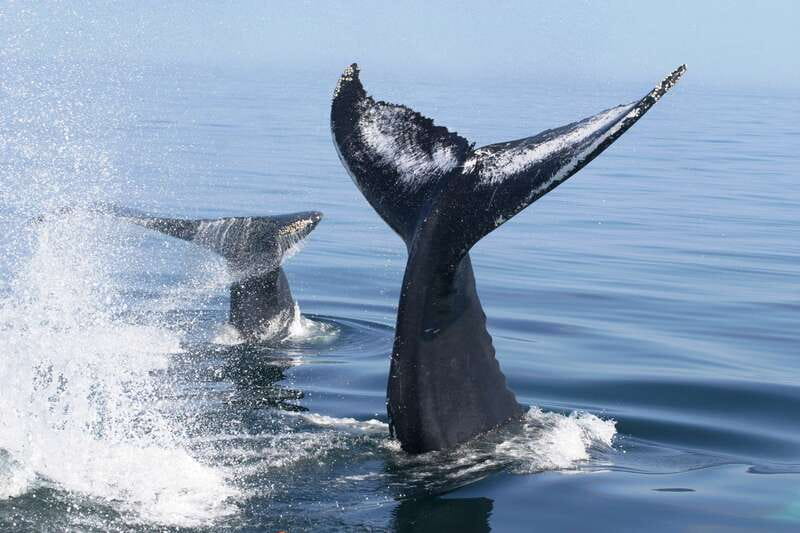
The hydrophone may be the most distinctive feature here. It lets you listen beneath the surface for whale songs and other marine mammal sounds. You may not hear something at every moment, but the equipment gives the trip a sense of discovery even when the water looks empty.
This is especially useful for children and for people who have already taken a conventional whale-watching cruise. Instead of waiting only for a breach, you can watch, listen, and compare what the guide is explaining with what the boat picks up.
The sound element also reinforces the research purpose. Whale watching becomes less about collecting one dramatic image and more about noticing patterns in movement and communication. Keep your camera ready, but give yourself permission to listen.
Taking part in the research project
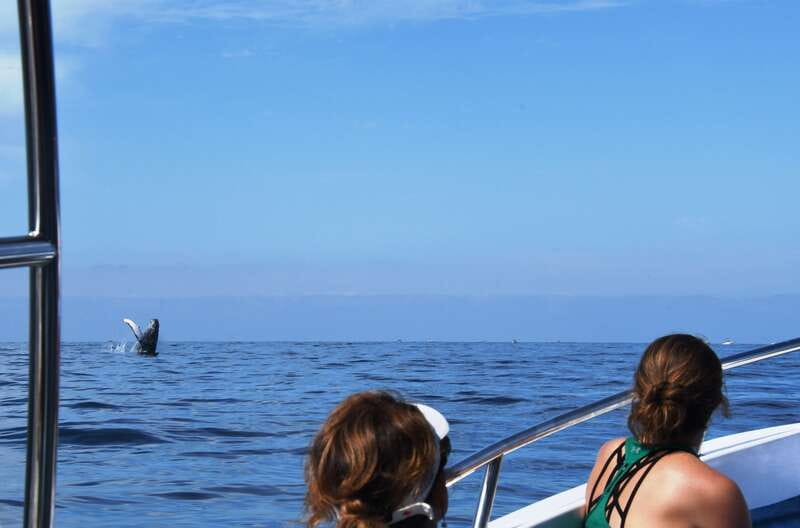
The included donation supports a humpback whale research project, and the tour also collects information about whale behavior in the bay. Your role is not described as technical scientific work, so expect guided observation rather than handling equipment or conducting formal experiments.
That distinction is useful. You are contributing through careful attention and recorded sightings while the staff manages the research side. The guide may discuss the whales’ behavior as you observe them, helping you understand why a group is moving, resting, playing, or traveling.
I see this as a strong value point for visitors who care about conservation. The fee does not only buy boat time. It helps connect tourism with ongoing study of the animals that draw people to Puerto Vallarta.
Still, keep your expectations practical. A donation and a research-minded guide do not make this a scientific course. It is an educational wildlife tour with a research connection, and that is the right way to think about it.
What the $134 price includes
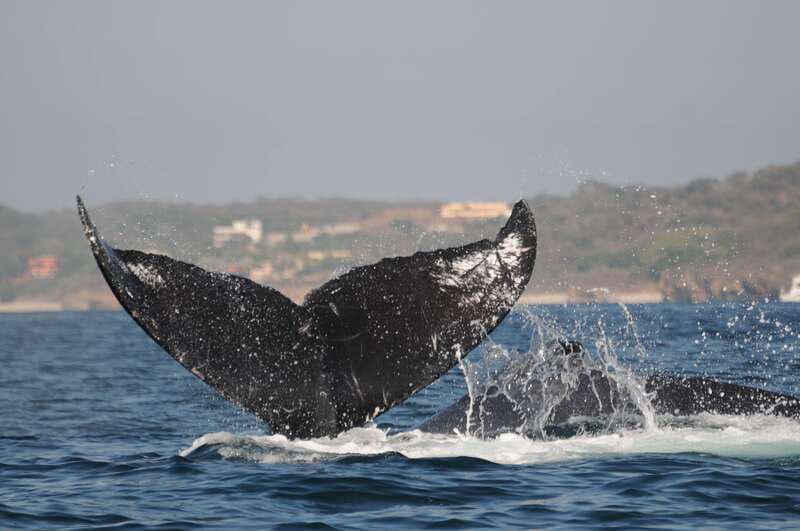
At $134 per person, this is not the cheapest way to spend a morning on the water. The value depends on what you want from a whale trip.
The price includes 3.5 hours on a small authorized boat, an expedition leader, the pre-trip educational session, a donation to the humpback research project, travel insurance, coffee or tea, refilled water, and a light snack such as soda and granola bars. The hydrophone and research observation also make this more than a basic transport service.
For me, the strongest value comes from the amount of guide time. You are not simply dropped near a whale and left to guess what you are seeing. The interpretation begins before boarding and continues across the bay.
You must pay an additional MX$80 boarding fee. Hotel transportation is not included either, so add the cost of reaching Proa Street when comparing this with other Puerto Vallarta activities.
The included water is refilled rather than supplied as a pile of disposable bottles, which fits the conservation focus. Bring your own spending expectations down to earth, though: the snack is light, not a meal.
The best season and the role of luck
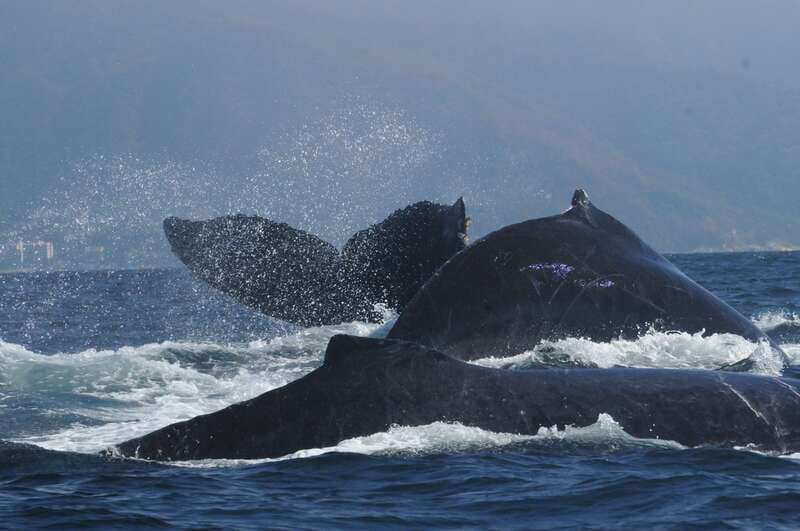
The supplied outings include dates from December through late March, with one March group being told that only a few days remained in the whale-watching season. That tells you the activity is tied to a seasonal period, and conditions can change as the season winds down.
The exact chance of seeing whales is not stated, so no honest review can promise a sighting. The trip is built around searching and observing wild animals. Some days may bring mothers with calves, large groups, or a spectacular breach. Other days may offer briefer views or more time spent scanning the bay.
That uncertainty is not a flaw in this particular operator. It is part of whale watching. The educational program, hydrophone, and possible sightings of dolphins, rays, and turtles give you more to enjoy when the whales are quiet.
If seeing a whale is the only reason you are booking, think carefully about the risk. If you enjoy nature interpretation and can appreciate the search itself, the structure of this trip makes more sense.
Comfort, safety, and who should skip it
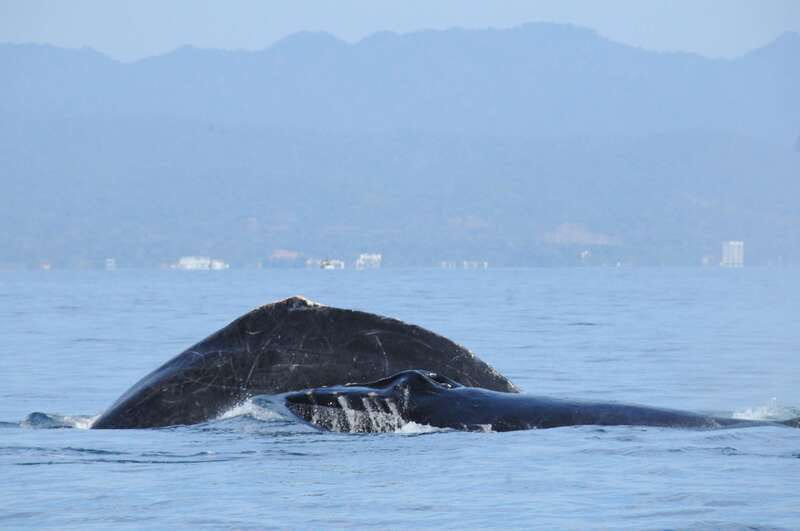
The boat is small, which usually helps create a close connection with the guide and the bay. It also means you should take the physical conditions seriously. The tour is not suitable for children under three, babies under one, pregnant women, people with back problems, recent surgery, mobility impairments, or wheelchair users.
It is also not recommended for people prone to seasickness. That warning deserves attention because the tour spends about three hours on the open water. If you know that boat motion bothers you, this may be a poor match even if the wildlife sounds appealing.
Pets are not allowed. A face mask or protective covering is listed among the items to bring.
The operator includes travel insurance, but that does not remove the need to assess your own health and comfort. You should be able to board a small boat and remain seated on the water for an extended period. The available information does not specify the exact boat layout or restroom facilities, so ask the operator directly if those details matter to you.
A practical packing list
Keep your packing simple and useful:
- Bring a face mask or protective covering, as requested.
- Wear clothing you can tolerate getting wet or windblown.
- Bring sun protection and a camera, though these items are not specifically listed as tour inclusions.
- Use the supplied refilled water and take the light snack as a small boost, not lunch.
- If you are sensitive to motion, consider your usual personal precautions before booking and confirm what is allowed with the operator.
The most important item is patience. A whale may surface for only a few seconds, and staring at your phone can cost you the moment.
Who will enjoy this most
I would choose this for adults, older children, and families who want to understand marine life rather than simply collect a photograph. The pre-boat lesson is a real advantage for curious children, and the guide’s ongoing explanations give the outing more substance than a quiet ride around the bay.
It also suits visitors who care about responsible wildlife tourism. The research donation, observation work, and attention to behavior all point toward a more thoughtful encounter.
Photographers may enjoy it, but the trip does not promise a perfect camera position or repeated breaches. You need to accept that the animals control the timing. People who want a relaxed, educational boat experience should be happy here.
I would skip it if you are prone to seasickness, need wheelchair access, have recent surgery or serious back problems, or want a short, guaranteed show. The three-hour water period is a major part of the commitment.
Booking flexibility and meeting details
You can cancel up to 24 hours before the start for a full refund, and the reserve-now, pay-later option keeps your plans flexible. Starting times vary, so check availability for the date you want.
The tour is offered in English and Spanish. Since there is no hotel pickup, confirm your route to the Ecotours Vallarta office before the day begins. The office is at the end of Proa Street, beside the ramp and next to a terrace.
Should you book the Humpback Whale Research Adventure?
Book it if you want a whale trip with substance. The strongest reasons are the educational session, the guide who stays involved on the water, the hydrophone, and the link to a research project. The chance to see mothers and calves, groups of whales, or a dramatic breach makes the three hours worthwhile when nature cooperates.
At $134 plus the MX$80 boarding fee, it is best for people who value interpretation and conservation, not just the lowest fare. Go in expecting a careful search rather than a guaranteed spectacle, and this can be one of Puerto Vallarta’s more meaningful marine outings.
FAQ
How long does the Puerto Vallarta whale tour last?
The experience lasts 3.5 hours. About three hours are spent exploring Banderas Bay by boat and watching marine life.
Where does the tour meet?
Meet at the Ecotours Vallarta office at the end of Proa Street. The office is beside the ramp and next to a terrace.
Is hotel pickup included?
No. Hotel pickup and drop-off are not included, so you must arrange your own transportation to and from the office.
Is the boarding fee included in the price?
No. A separate boarding fee of MX$80 is required.
What languages are available?
The live tour guide service is available in English and Spanish.
What is included with the tour?
The tour includes a donation to a humpback whale research project, 3.5 hours on a small authorized boat, an expedition leader, travel insurance, coffee or tea, refilled water, and a light snack with sodas and granola bars.
Just added around Puerto Vallarta
- Marietas Islands with Guaranteed Entry to Playa Escondida★ 3.5 · 3 reviews
- Puerto Vallarta Airport (PVR) to Sayulita hotels – Private Roundtrip Transfer★ 5.0 · 3 reviews
- Puerto Vallarta Airport (PVR) to Punta de Mita hotels – Private Arrival Transfer★ 4.5 · 3 reviews
- Puerto Vallarta: Great Swedish Massage Experience★ 5.0 · 3 reviews
- Horseback Riding Experience in Puerto Vallarta★ 5.0 · 3 reviews
- PRIVATE transportation from PVR Airport to South Coast★ 5.0 · 3 reviews
- From Puerto Vallarta & Nuevo Vallarta: Canopy Zipline Tour★ 5.0 · 3 reviews
- Mismaloya: Stand-Up Paddleboard & Snorkeling to Los Arcos★ 5.0 · 3 reviews
Whale Watching, compared.
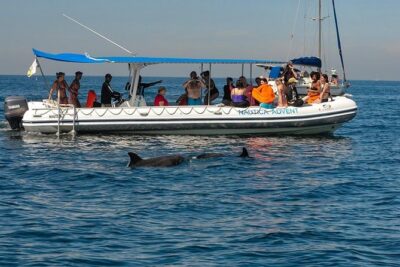
Whale and Dolphin Watching with a Biologist in Puerto Vallarta
Read our review →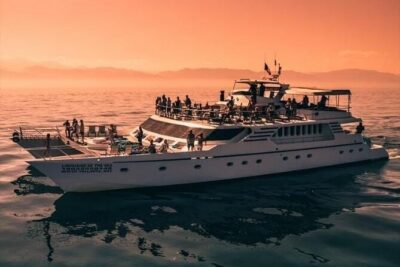
Sunsets and Whales Mega Yachts ALL INCLUSIVE: Puerto Vallarta
Read our review →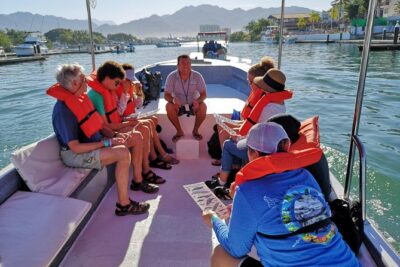
Whale Watching Cruise In Puerto Vallarta & Nuevo Vallarta
Read our review →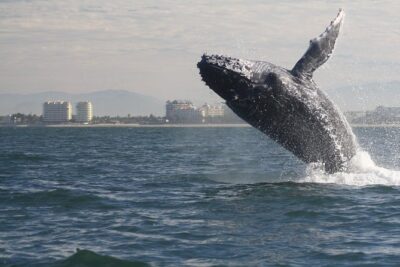
Small-Group Half-Day Whale-Watching Tour in Puerto Vallarta
Read our review →
Whale & Dolphin Watching Cruise in Puerto Vallarta All Inclusive
Read our review →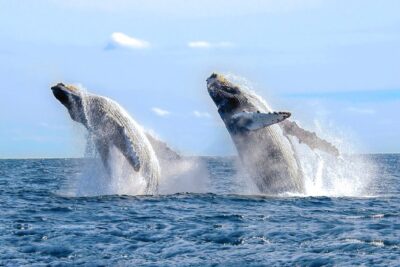
Browse the lists this tour appears in