
Review · PUERTO VALLARTA
Puerto Vallarta: Baby Turtle Release in Conservation Area
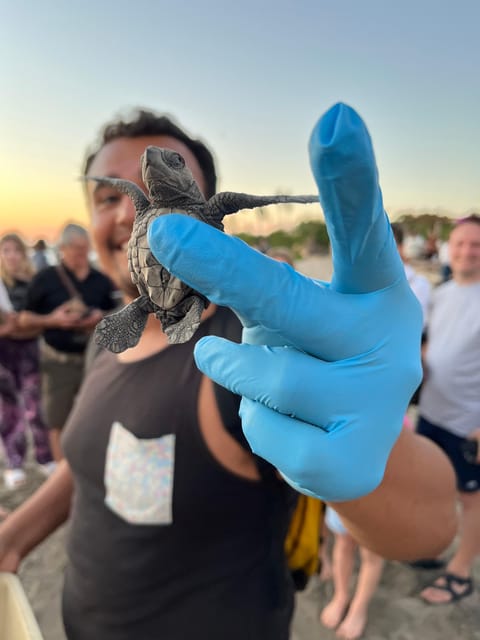
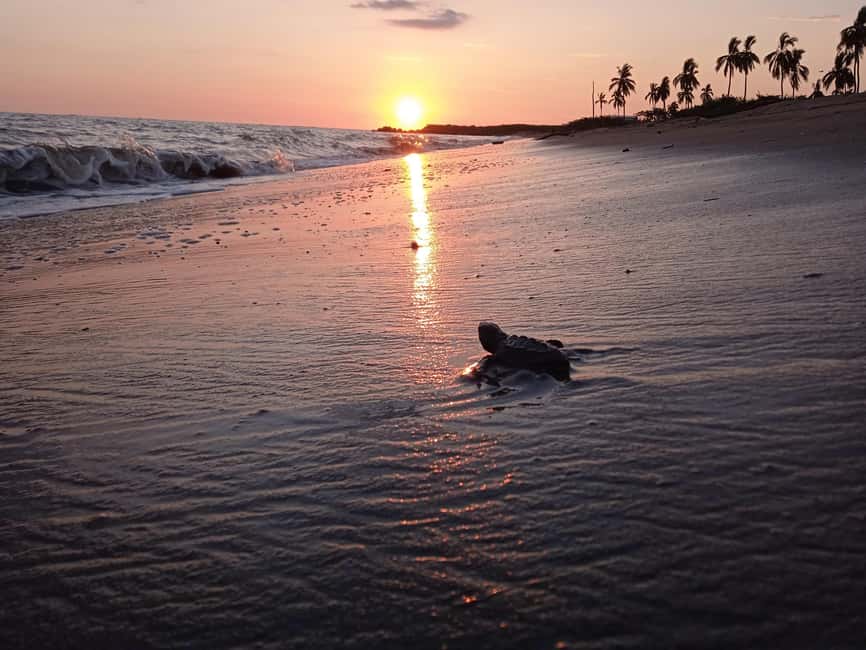
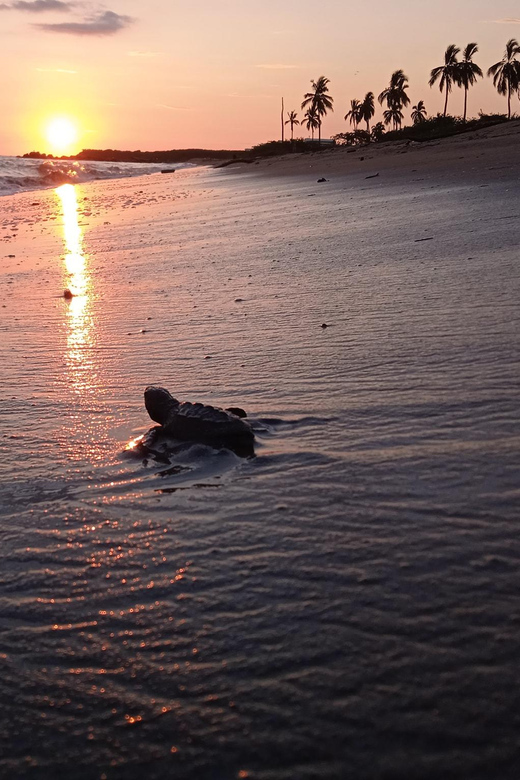
The best part of this Puerto Vallarta experience comes at the end: you kneel on the beach with a tiny olive ridley turtle, then watch it scramble toward the Pacific as the sun drops over the bay. The moment is simple, quiet, and far more moving than a standard sightseeing stop. The release is the star, but it only happens when turtles hatch.
I like two things here. First, the guides explain the work behind the release, including how workers find nests, collect eggs, and incubate them safely. Second, the setting gives the activity real atmosphere: a short beach walk, open sea, sunset views, and a conservation camp where the work is done. The main drawback is uncertainty. No hatchlings means no release, though you can reschedule or cancel if turtles do not hatch that day.
In This Review
- Key points to know before you book
- Why the turtle release feels different
- Meeting near Marina Vallarta
- The 15-minute walk to the conservation camp
- Forty-five minutes of turtle conservation
- Twenty minutes of waiting, watching, and sunset
- The release itself, if hatchlings are ready
- How much value do you get for $40?
- Who should book this experience?
- Should you book the Puerto Vallarta turtle release?
- FAQ
- How long does the turtle release experience last?
- How much does the activity cost?
- Where do I meet the guide?
- Is transportation included?
- What happens if no turtles hatch that day?
- Can children take part?
- Are the tours offered in English?
- What should I bring?
- Is the experience accessible to wheelchair users?
Key points to know before you book
- The release depends on nature: Turtles may not hatch on your scheduled date, but you can reschedule or cancel if none are ready.
- A 15-minute beach walk is part of the tour: You need comfortable clothing and a reasonable level of fitness.
- Education comes before handling turtles: You learn about olive ridleys, nest searches, egg collection, and incubation before the release.
- Sunset adds the magic: The camp offers views across the sea and Puerto Vallarta Bay as the evening closes.
- Guides make a big difference: Eduardo, Eddie, Tony, and Carlos are praised for clear, lively instruction in English and Spanish.
- The setting is basic: Expect a conservation camp and limited restroom facilities, not a polished attraction.
Why the turtle release feels different
Puerto Vallarta is known for beaches, boats, food, and nightlife. This outing offers a slower look at the coast, centered on an animal that faces steep odds from the moment it hatches. You are not simply watching wildlife from a distance. If hatchlings are available, you take part in their first trip from sand to sea.
The release is handled as a meaningful event. People may name a turtle, say a prayer, or make a wish before setting it down. You then watch the little animal find its way across the beach. That personal ritual helps you understand the point of the conservation work: protecting the eggs gives these turtles a better chance to reach the water.
I also appreciate that the release is not presented as the whole story. The educational portion explains why the turtles are collected and how the camp prepares them for hatching. That context makes the final few minutes more than a cute photo opportunity.
Still, keep your expectations sensible. Nature does not follow a booking calendar. Some days produce no hatchlings, and that is part of the reality of a conservation program. Book early in your Puerto Vallarta stay if possible. That gives you more room to move the tour to another date.
More sea turtle release evenings:
- Release of Sea Turtles in Camp Tortuguero
★ 5.0 · 124 reviews - Sea Turtle Release – A Puerto Vallarta Conservation Adventure
★ 5.0 · 120 reviews - Puerto Vallarta: Sea turtle release at Sunset
★ 5.0 · 15 reviews
Meeting near Marina Vallarta
The meeting point is at the end of Paseo Bocanegra street, reached through the Marina Vallarta area. You use Albatros Street, cross Paseo Bocanegra, and continue straight until the road ends. Look for a golf course, a wall decorated with drawings, and the beach.
This is not the sort of place where you should wander around searching for a camp. The instructions specifically ask you to wait at the meeting point if you arrive early and not walk to the campground alone. Pay close attention to the directions sent before the activity.
Transportation is not included. You arrange your own way to the meeting point and back. One family used a taxi service to arrive at the beach area and had no trouble finding an Uber afterward, but the important point is to plan this part yourself rather than expecting a hotel pickup.
Once you meet the guide, the group walks for about 15 minutes to the conservation area. The walk is short, but it is on foot and connected to the beach setting. Wear shoes and clothing that you can manage comfortably on sand or uneven ground.
The 15-minute walk to the conservation camp
The walk helps shift the mood from ordinary Puerto Vallarta sightseeing to a more natural setting. You leave the meeting area behind and head toward the camp, with the beach and sea becoming the focus.
This is also the first practical filter for deciding if the activity suits you. The experience is not suitable for wheelchair users, people with mobility impairments, or people with a low level of fitness. It is also not recommended for people with respiratory issues, animal allergies, or high blood pressure.
The camp itself is functional rather than fancy. You are there to see conservation work and learn from the guides, not to use a visitor center with polished exhibits. One weak point is restroom quality. Basic portable toilets are available, but facilities have not always been well maintained, with reports of broken doors and missing toilet paper. Plan ahead and bring what you may need.
Forty-five minutes of turtle conservation
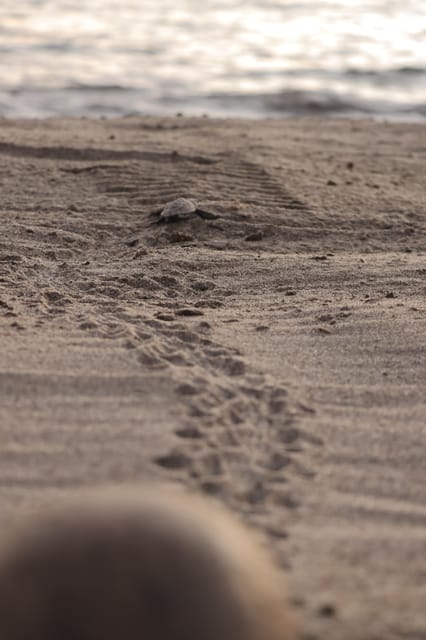
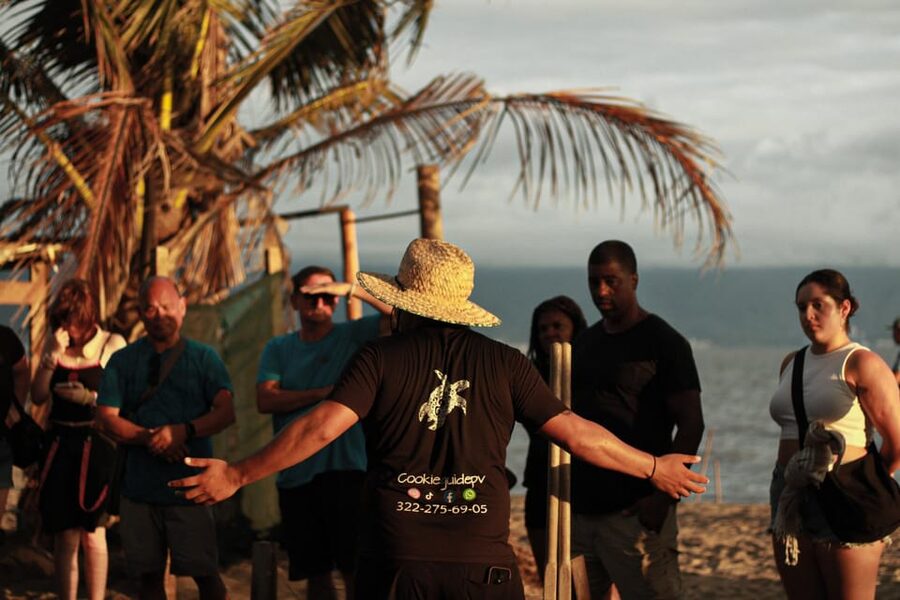
At the camp, the main lesson lasts about 45 minutes. The guides explain the olive ridley turtle life cycle and describe the work done to protect eggs along the coast.
You learn how conservation workers search for nests and gather eggs. The eggs are then placed in an incubation area where they can be monitored until hatching. This is the part that gives the release its meaning. Without nest protection and careful incubation, many eggs would face greater danger before the turtles ever reach the beach.
The guides are a major strength. Eduardo is repeatedly praised for combining clear information with humor and energy, even when speaking in both English and Spanish to a mixed group. Eddie receives similar praise for his warmth and enthusiasm. Carlos is noted for handling a group that included everyone from toddlers to seniors. The exact guide may vary, but the experience is designed for English and Spanish speakers.
The teaching is aimed at ordinary visitors, not wildlife specialists. You should come away with a clearer idea of how vulnerable hatchlings are and why local conservation work matters. The explanations also help you understand why the team cannot promise a release on every scheduled date.
The work is not presented as a quick trick for tourists. You see how the camp searches for nests, handles eggs, and prepares for hatching. That makes the activity a good fit for you if you want your wildlife experience to include learning and support for a local conservation effort.
A different kind of day out in Puerto Vallarta:
- Puerto Vallarta Best Zipline Canopy + Tequila and Speed Boat Ride
★ 5.0 · 3,786 reviews - Winner 2025 Downtown Vallarta Food Tour with Vallarta Food Tours
★ 5.0 · 3,738 reviews - Extreme Adventure, Wildest Bridge, ATV & Ziplines
★ 5.0 · 3,179 reviews - Mega Yacht ALL INCLUSIVE Yelapa Waterfall & Snorkeling Adventure
★ 5.0 · 2,515 reviews
Twenty minutes of waiting, watching, and sunset
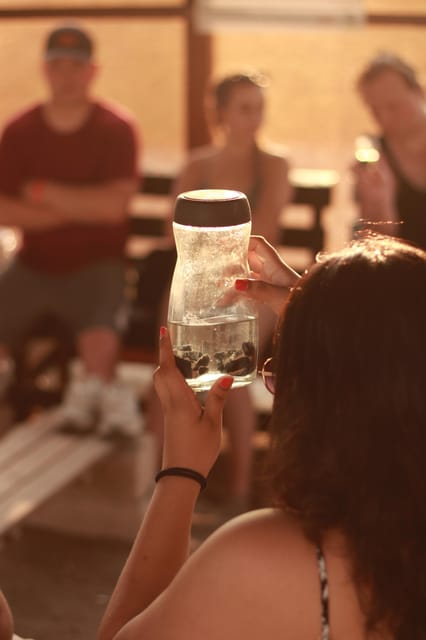
After the camp lesson, the group spends about 20 minutes on wildlife viewing. This is when the pace slows. Depending on the day, you may see eggs, hatching activity, or turtles ready for release. The key word is may. The program cannot force a hatch or guarantee a particular number of turtles.
The sunset is an important part of the experience. The camp offers views over the sea and Puerto Vallarta Bay, and the evening light gives the release a calm, memorable setting. One outing took place after a storm, but the weather cleared in time for the sunset. Another day brought heavy rain, with rain gear provided.
Bring biodegradable sunscreen and insect repellent. The reminder about bug spray is worth taking seriously, especially in an outdoor coastal area. Comfortable clothes are also listed as essential. Drones, alcohol, and drugs are not allowed.
There may be a photographer taking pictures during the activity. This is useful because you can pay attention to the turtle instead of trying to manage your phone at the same time. The treatment of photos can vary, so check what is included when you book. Some participants received a link to photos as part of the outing, while another report says photos could be purchased separately. Do not assume every picture is automatically yours at no extra cost.
The release itself, if hatchlings are ready
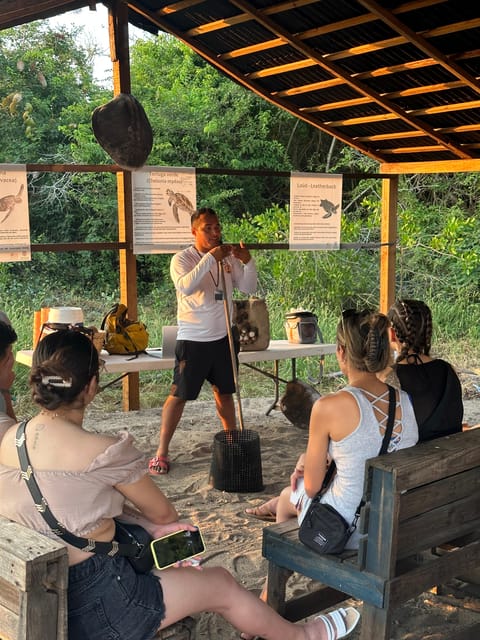
When turtles have hatched, each participating adult or child receives a baby turtle for the release. The turtle is placed on the sand, and you watch it crawl toward the water.
This is not a long activity, and that is part of its appeal. The turtle is not held for an extended photo session. The point is to get it moving toward the sea with as little delay as possible. You may name your turtle or make a private wish before releasing it, then let the animal begin its journey.
Children often connect strongly with this part. Children under five do not pay for a ticket, but they can only observe and cannot participate in the release. Older children can take part, and a 10-year-old family group found the activity especially engaging.
You should also be ready for the emotional side. The guides explain that the turtles face serious dangers, so this is not a guaranteed happy ending. The release gives each hatchling a start, not a promise of survival. That honesty makes the experience more meaningful.
The group may be larger than a private family outing. One guide successfully addressed a group of about 20 people in both English and Spanish. If you prefer quiet, individual wildlife encounters, this may feel social. If you enjoy sharing a special moment with other people, the group setting adds warmth.
How much value do you get for $40?
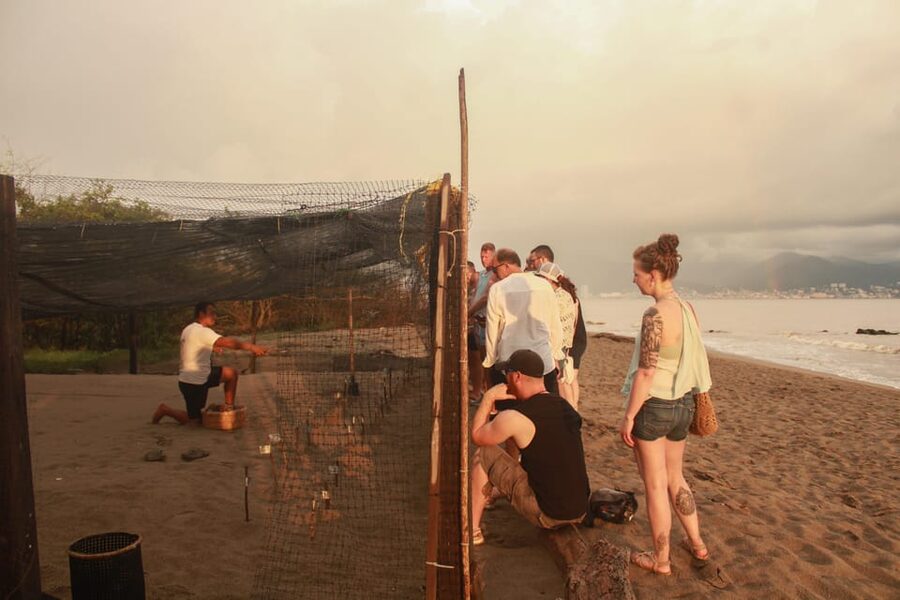
At $40 per person, this is a strong value if you care about conservation and the release takes place. The price includes the guide, the turtle release experience, the nest and egg collection demonstration, water, and photos according to the activity details. You also receive a two-and-a-half-hour program with instruction, walking, wildlife viewing, and sunset time.
The price is less compelling if you judge it only as a short animal encounter. The actual turtle release is brief, and there is no certainty that turtles will hatch on your date. You also pay for your own transportation, and photo arrangements should be confirmed in advance.
I see the fee as partly paying for access to local conservation work and the staff time needed to protect the nests. Some participants chose to add a donation to help the conservancy continue its work. A donation is not listed as required, but it is a sensible option if the experience matters to you.
The free cancellation policy helps reduce the risk. You can cancel up to 24 hours in advance for a full refund. If no turtles hatch on your date, you have the option to reschedule or cancel. Reserve now and pay later is also available, which is useful when you are building a flexible Puerto Vallarta schedule.
Who should book this experience?
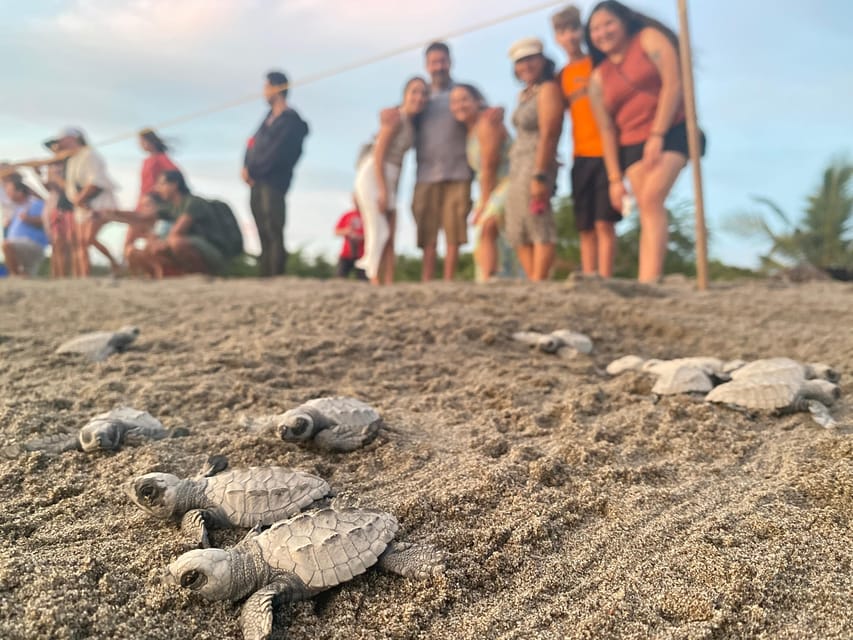
I would choose this for families with children over five, couples looking for a thoughtful evening, and anyone who wants a hands-on conservation activity rather than another beach bar. It also suits you if you value local guides and want to learn how the protection work happens before taking part.
The activity is less suitable if you need guaranteed wildlife sightings, a polished facility, or easy wheelchair access. It may also be uncomfortable if you have trouble walking for 15 minutes, dislike insects, or need dependable restroom facilities.
Bring biodegradable sunscreen, insect repellent, and comfortable clothes. Do not bring a drone, alcohol, or drugs. Since transportation is not included, allow time to reach the meeting point and follow the directions closely.
Should you book the Puerto Vallarta turtle release?
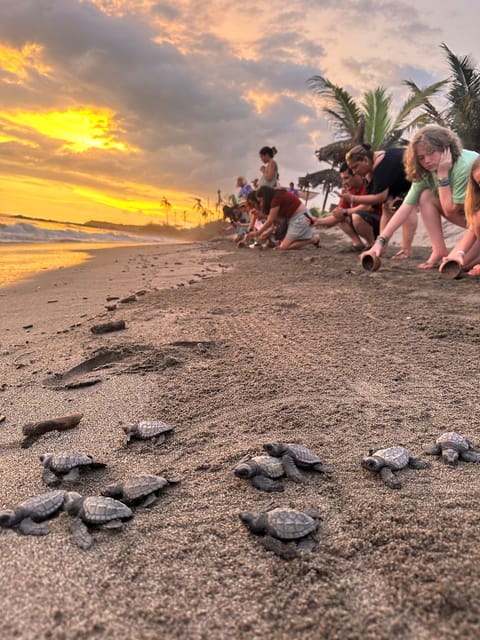
Yes, if you can accept the uncertainty. The strongest reason to book is not simply the chance to hold a baby turtle. It is the combination of conservation education, local guides, a sunset beach setting, and the possibility of helping a hatchling begin its life in the ocean.
Book near the start of your stay so you can reschedule if needed. Confirm the meeting instructions and photo policy, bring bug spray, and expect a simple camp rather than a visitor attraction. If turtles hatch, this can become one of your most memorable evenings in Puerto Vallarta. If they do not, the conservation lesson still has value, and the option to move or cancel protects your plans.
FAQ
How long does the turtle release experience last?
The experience lasts about 2.5 hours, including the walk to the camp, the conservation lesson, wildlife viewing, and the return walk.
How much does the activity cost?
The price is $40 per person.
Where do I meet the guide?
You meet at the end of Paseo Bocanegra street near Marina Vallarta. Access is through Albatros Street. Continue past Paseo Bocanegra until you see a golf course, a wall with drawings, and the beach.
Is transportation included?
No. You arrange your own transportation to and from the meeting point.
What happens if no turtles hatch that day?
You can reschedule or cancel if no turtles hatch on the day of your reservation.
Can children take part?
Children under five do not need a ticket, but they can only observe the release. Children five and older may participate, subject to the activity conditions.
Are the tours offered in English?
Yes. The live guide service is available in English and Spanish.
What should I bring?
Bring biodegradable sunscreen, comfortable clothes, and insect repellent. Bug spray is particularly useful for this outdoor activity.
Is the experience accessible to wheelchair users?
No. The activity is not suitable for wheelchair users, people with mobility impairments, or people with a low level of fitness.
Just added around Puerto Vallarta
- Marietas Islands with Guaranteed Entry to Playa Escondida★ 3.5 · 3 reviews
- Puerto Vallarta Airport (PVR) to Sayulita hotels – Private Roundtrip Transfer★ 5.0 · 3 reviews
- Puerto Vallarta Airport (PVR) to Punta de Mita hotels – Private Arrival Transfer★ 4.5 · 3 reviews
- Puerto Vallarta: Great Swedish Massage Experience★ 5.0 · 3 reviews
- Horseback Riding Experience in Puerto Vallarta★ 5.0 · 3 reviews
- PRIVATE transportation from PVR Airport to South Coast★ 5.0 · 3 reviews
- From Puerto Vallarta & Nuevo Vallarta: Canopy Zipline Tour★ 5.0 · 3 reviews
- Mismaloya: Stand-Up Paddleboard & Snorkeling to Los Arcos★ 5.0 · 3 reviews