Review · GUIDED
Butterfly Sanctuary & Museum Guided Tour in Puerto Vallarta
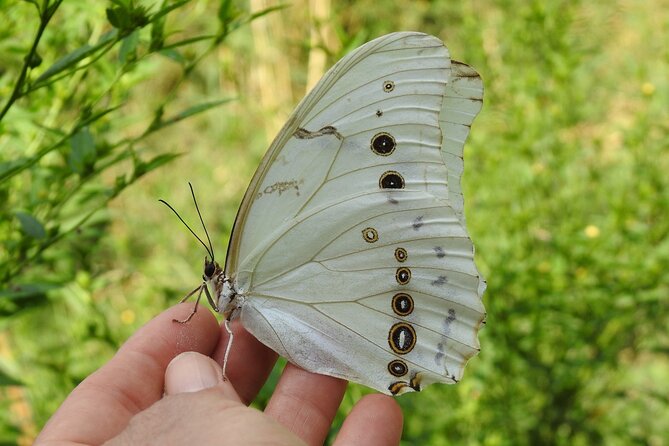
A three-hour-old butterfly taking its first flight is the star of this small Puerto Vallarta tour. At Mariposario Jardin Magico, you walk through a subtropical habitat, learn how local butterflies depend on specific plants, and may help release a newly emerged butterfly into the sanctuary.
I like the personal scale, with groups advertised at 10 people, and the guides’ clear passion for the subject. I also like that the visit covers the whole life cycle, not just pretty wings in a garden. The main drawback is the location, which is rustic and somewhat remote, so transportation takes planning.
In This Review
- Key things to know
- A close look at Mariposario Jardin Magico
- What you learn about butterflies and moths
- Meeting guides with real subject knowledge
- The butterfly release
- The Butterfly Heritage Museum
- Why the rustic setting matters
- Getting there without a transportation headache
- Is $28 a fair price?
- Who will enjoy this most?
- Should you book the Butterfly Sanctuary tour?
- FAQ
- How long does the Butterfly Sanctuary tour last?
- How much does the tour cost?
- Where does the tour begin and end?
- Is admission to the sanctuary included?
- How many people can join the tour?
- Is the tour offered in English?
- Can I help release a butterfly?
- Is the tour suitable for children?
- What happens if the weather is poor?
Key things to know
- A butterfly release is the emotional high point: You may help a butterfly only a few hours old make its first flight.
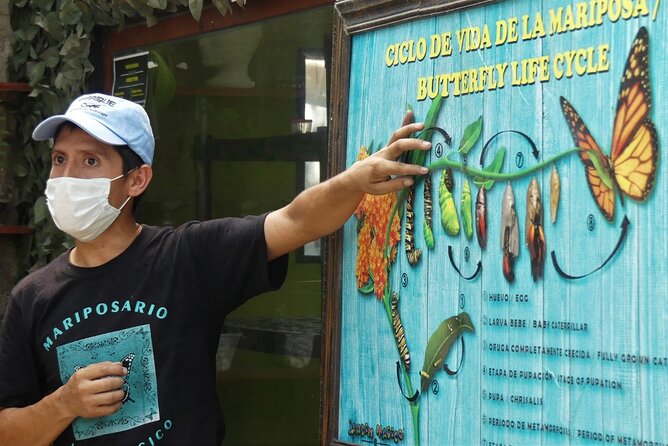
- The tour covers the full life cycle: Expect information about caterpillars, host plants, chrysalises, adult butterflies, moths, and conservation.
- Guides bring science to life: Fabian, Adrian, Danilo, Andre, and other passionate guides have been praised for their clear explanations and warm approach.
- The setting is natural rather than polished: You get flowers, a pond, birds, and native plants, but not a fancy visitor center.
- Plan your ride before arriving: The sanctuary can be hard to find, and cellphone pickup may be easier a short walk uphill.
- The price is modest: At $28 per person for about an hour, this is a good-value outing if you want an educational nature stop.
A close look at Mariposario Jardin Magico
The sanctuary sits at C. Golondrina 60 in Campo Verde, Puerto Vallarta. This is not a downtown attraction you can casually add between lunch and a beach walk. It is a small site surrounded by nature, and reaching it may take about 45 minutes by taxi from town, depending on your starting point and traffic.
That extra ride is part of the decision. You are not paying for a large, polished museum complex. You are going to a working butterfly project where the focus is on native species, their food plants, and the conditions they need to survive.
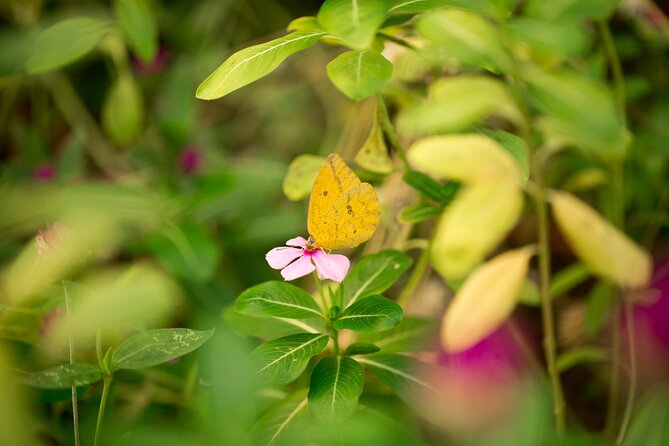
Once inside, the setting gives the visit its character. Expect a lush subtropical enclosure, flowering plants, a pond, sitting areas, and birds nearby. The site has been described as rustic, but that is not the same as neglected. The emphasis is plainly on the butterflies and their habitat rather than elaborate buildings or decorations.
For me, that makes the experience more appealing than a purely staged photo stop. You see a living environment, and the guide connects what is in front of you with the wider ecology of Banderas Bay.
A few more Puerto Vallarta trips worth weighing up
- Butterfly Sanctuary, Museum & Lunch with Transport
★ 5.0 · 28 reviews - Admission Arte Vallarta Museum
★ 5.0 · 23 reviews
What you learn about butterflies and moths
The guided walk is built around the stages of a butterfly’s life. You learn about caterpillars, the plants they eat, the chrysalis stage, newly emerged adults, and older butterflies whose wings have begun to lose their scales and color.
That last detail is especially useful. Butterflies are often presented as perfect, colorful creatures, but the sanctuary also helps you see the less familiar parts of their lives. An older butterfly may have translucent-looking wings as its scales wear away. That simple observation turns a pretty display into a lesson about age, survival, and the short lives of wild insects.
The guides also explain the difference between host plants and food sources. A butterfly species depends on particular host plants for its caterpillars, rather than simply eating any greenery nearby. The sanctuary uses native plants connected to the local species, which helps you understand why protecting butterfly habitat means protecting plants too.
You may also hear about the difference between butterflies and moths. One point explained during the visit is that butterfly caterpillars tend to rely on specific host plants, while moths may feed on a wider range. The exact examples can vary, but the larger lesson is clear: a garden that attracts adult butterflies is not enough on its own. The plants must support the insects at several stages.
The sanctuary also gives context about survival. In protected conditions, butterflies can live for months, while in the wild they may die within weeks from predators and other hazards. That does not make the sanctuary a replacement for wild habitat. Instead, it shows why breeding, education, and habitat protection matter.
Meeting guides with real subject knowledge
The guide can make or break a short nature tour, and this is one of the strongest parts of the experience. Guides named in the tour information and guest feedback include Fabian, Adrian, Danilo, and Andre.
Fabian has been praised for giving detailed explanations, answering questions, and creating a friendly atmosphere. Adrian’s background in biology adds depth to talks about plants and butterflies. Danilo has led tours that combine clear instruction with a calm pace, while Andre has been recognized for making the morning both informative and enjoyable.
You should not book this expecting a scripted lecture delivered at speed. The appeal is the chance to ask questions and look closely. The best guides explain what you are seeing right now, whether that is a caterpillar on a host plant, a chrysalis, or a butterfly moving through the enclosure.
The small-group format helps. The tour is advertised as capped at 10 people, though the additional tour information gives a maximum of 12. If group size matters to you, confirm the number when booking. Either way, this is designed to be far more intimate than a large coach excursion.
The butterfly release
The release is the tour’s most unusual feature. You may be given the chance to help a butterfly that is about three hours old take its first flight inside the sanctuary.
This is not a complicated activity, but it has a lovely sense of occasion. You are not simply looking at a butterfly through mesh. You are part of a brief moment in its development, watching a newly emerged insect enter the habitat.
The release also gives the guide a natural way to explain metamorphosis. You can connect the chrysalis you have just learned about with the adult butterfly in your hand or nearby. For children, that physical link can make the science stick. For adults, it is a quiet reminder that the fragile-looking insect has already passed through a remarkable change.
You should follow the guide’s instructions carefully and avoid touching the wings. The point is to assist the butterfly’s first flight, not handle it like a souvenir. Photos are possible, and the sanctuary is a good place to bring a camera, but take care not to let photography distract from the moment.
A different kind of day out in Puerto Vallarta:
- Puerto Vallarta Best Zipline Canopy + Tequila and Speed Boat Ride
★ 5.0 · 3,786 reviews - Winner 2025 Downtown Vallarta Food Tour with Vallarta Food Tours
★ 5.0 · 3,738 reviews - Extreme Adventure, Wildest Bridge, ATV & Ziplines
★ 5.0 · 3,179 reviews - Mega Yacht ALL INCLUSIVE Yelapa Waterfall & Snorkeling Adventure
★ 5.0 · 2,515 reviews
The Butterfly Heritage Museum
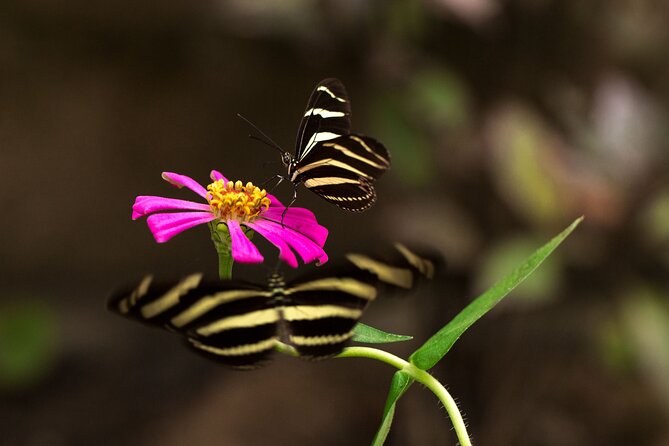
The guided visit includes access to the Butterfly Heritage Museum. The museum adds a more structured learning element to the outdoor habitat, giving you another way to understand butterfly species and their development.
The sanctuary experience works best because these two parts support each other. Outdoors, you see living butterflies among plants. In the museum, you can focus on identification, life stages, and the wider importance of these insects as pollinators.
The tour is especially useful if you want more than a quick walk through a garden. The goal is not simply to show you colorful wings. It is to explain the entire system, from the plants that support caterpillars to the adult insects that help pollinate the area.
Why the rustic setting matters
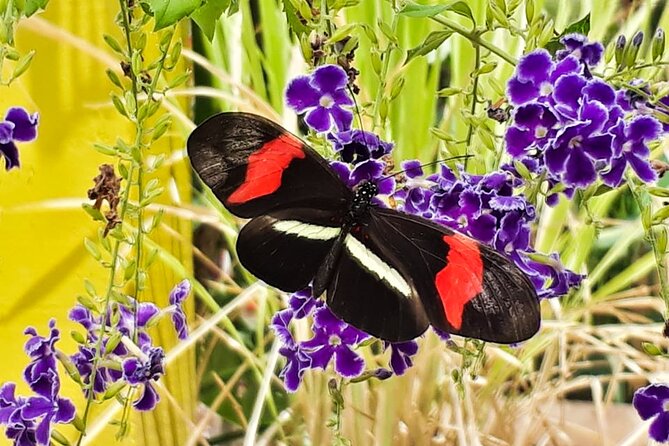
A polished attraction can be easy to visit, but it can also feel removed from the natural world it presents. Mariposario Jardin Magico has a simpler character. Several details point to a small operation that puts its resources into the butterfly project rather than fancy facilities.
You may find the site a little rough around the edges. That means you should wear sunscreen, bring water, and allow some patience for the ride and arrival. The grounds include places to sit by the pond, which helps if you want a quiet pause after the guided portion.
The natural setting is also part of the lesson. Native plants are not just background decoration. They show how insects, flowers, and habitat fit together. If you enjoy gardens, conservation, or birdwatching, you may find the pond and surrounding greenery add value beyond the formal tour.
The sanctuary now has Wi-Fi according to the provider’s response to a recent transportation concern. That can help you arrange a ride home, though I would still make a plan before you arrive.
Getting there without a transportation headache
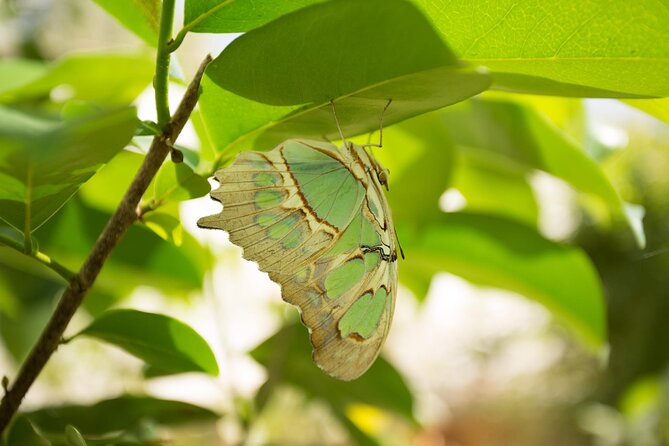
Transportation is the biggest practical issue. The address is specific, but the sanctuary can be hard to find, and one route suggested by Google Maps may lead you astray. Check the route carefully rather than automatically choosing the shortest option.
An Uber can work, but pickup may be difficult because cellphone reception is not always strong at the site. One practical solution is to arrange your return ride in advance. Another is to walk a short distance uphill to find a stronger signal, though that is not ideal if you are carrying bags or traveling with young children.
A taxi driver may be willing to wait while you take the tour, and that can remove the uncertainty of finding a ride back. If you use a taxi, agree on the arrangement before leaving town. Staff may also be able to help arrange transportation back, and Wi-Fi provides another way to contact your driver or car service.
This is the sort of small detail that can shape your memory of a short outing. The butterfly tour itself lasts about one hour, but you should budget extra time for the drive, finding the entrance, and arranging your return.
Is $28 a fair price?
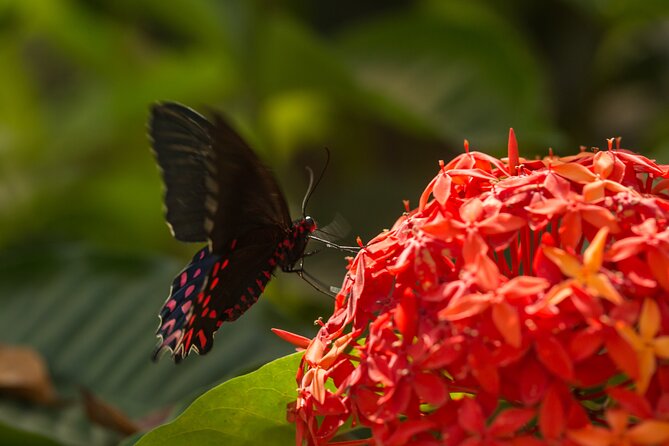
At $28 per person, the price is reasonable for a guided nature experience with admission included. You are paying for a small group, an expert-led walk, access to the museum, and the chance to take part in the release.
The value is strongest if you care about learning. If you only want a quick burst of butterfly photos, the one-hour visit may feel brief. If you want to understand native species, host plants, metamorphosis, and conservation, the guide gives the price more weight.
The sanctuary also feels different from a commercial attraction because the money appears to support a small conservation project. That does not mean you should expect extensive facilities. You are choosing a focused experience with a personal connection to the people caring for the butterflies.
Free cancellation is available up to 24 hours before the start time. A cancellation within 24 hours is not refundable, and poor weather may lead to a different date or a full refund. Since the tour depends on good weather, avoid placing it at the end of a tightly packed schedule.
Who will enjoy this most?
Families are a natural fit. Children get a close look at insects, plants, caterpillars, and chrysalises, while the release gives them something active to remember. The experience is also suitable for adults who prefer nature, science, photography, or conservation to shopping and nightlife.
Couples can treat it as a quiet morning away from the city. Friends who want something unusual in Puerto Vallarta will find more substance here than at a simple garden visit.
I would be less likely to recommend it to someone with only a few hours in central Puerto Vallarta, or to anyone who dislikes rural roads, uncertain transportation, or modest facilities. The remote setting is not a minor footnote. It is the main tradeoff for seeing a small habitat-focused project.
Most participants can take part, and service animals are allowed. The site is near public transportation, but the supplied information does not describe a regular shuttle or a fully accessible route, so ask ahead if you have specific mobility needs.
Should you book the Butterfly Sanctuary tour?
Book it if you want an educational, personal nature experience and do not mind spending time getting there. The strongest reasons are the full life-cycle explanation, the native plants, the small groups, and the chance to release a newly emerged butterfly.
I would especially recommend it for families, curious couples, and anyone who wants to support a small conservation-minded project. Plan your transportation, wear sunscreen, bring water, and allow extra time. If you do that, the $28 price buys more than a few pretty photos. It gives you a better understanding of the living system behind them.
FAQ
How long does the Butterfly Sanctuary tour last?
The guided experience lasts approximately one hour.
How much does the tour cost?
The listed price is $28 per person.
Where does the tour begin and end?
It begins at Butterfly Sanctuary Mariposario Jardin Magico, C. Golondrina 60, Campo Verde, 48290 Puerto Vallarta, Jalisco, Mexico. It ends back at the same meeting point.
Is admission to the sanctuary included?
Yes. Admission to Mariposario Jardin Magico and access to the Butterfly Heritage Museum are included.
How many people can join the tour?
The tour is advertised for small groups capped at 10 people. The additional tour information gives a maximum capacity of 12 travelers, so confirm the exact group size when booking.
Is the tour offered in English?
Yes. The experience is offered in English.
Can I help release a butterfly?
Yes. The experience includes the opportunity to help a butterfly about three hours old take its first flight.
Is the tour suitable for children?
Yes. Most travelers can participate, and the experience is described as family-friendly and suitable for children.
What happens if the weather is poor?
The experience requires good weather. If it is canceled because of weather, you will be offered a different date or a full refund.
Just added around Puerto Vallarta
- Marietas Islands with Guaranteed Entry to Playa Escondida★ 3.5 · 3 reviews
- Puerto Vallarta Airport (PVR) to Sayulita hotels – Private Roundtrip Transfer★ 5.0 · 3 reviews
- Puerto Vallarta Airport (PVR) to Punta de Mita hotels – Private Arrival Transfer★ 4.5 · 3 reviews
- Puerto Vallarta: Great Swedish Massage Experience★ 5.0 · 3 reviews
- Horseback Riding Experience in Puerto Vallarta★ 5.0 · 3 reviews
- PRIVATE transportation from PVR Airport to South Coast★ 5.0 · 3 reviews
- From Puerto Vallarta & Nuevo Vallarta: Canopy Zipline Tour★ 5.0 · 3 reviews
- Mismaloya: Stand-Up Paddleboard & Snorkeling to Los Arcos★ 5.0 · 3 reviews
Guided, compared.


Half day Private tour of Puerto Vallarta with a Local Guide
Read our review →
Full-Day Private Tour to San Sebastian del Oeste with Guide
Read our review →